High cholesterol increases the risk of heart disease, but simple dietary changes can make a big difference. This 7 day meal plan to lower cholesterol is designed specifically for beginners who want an easy, structured way to improve heart health.
The plan focuses on soluble fiber, healthy fats, and nutrient-dense whole foods that help reduce LDL (bad) cholesterol while supporting overall wellness. You’ll learn what cholesterol is, which foods to include for maximum benefits, and get a complete day-by-day 7-day meal plan with balanced meals.
Following this 7 day meal plan to lower cholesterol consistently can help you manage cholesterol levels naturally without feeling restricted. Perfect for anyone starting their low-cholesterol journey.
What Is Cholesterol?

Cholesterol is a wax-like fatty substance produced in the liver and is found in our blood and body cells. Cholesterol is not just produced by our bodies but is found in various food items as well that are taken from animals, such as egg yolks, meat, and whole-milk dairy products. Even though it is essential for our good health, too much cholesterol can be dangerous.
How Do Cholesterol Levels Rise?
Further in the discussion of cholesterol, it is important to understand the good and bad cholesterol and how they rise to a dangerous level in our bodies, leading to heart attacks and various cardiovascular diseases.
One-third of cholesterol found in the body is produced inside the liver, and the rest is consumed through our diets. When we consume food, or the liver produces cholesterol, which is then carried in our blood by proteins called lipoproteins.
The two types of lipoproteins that make up total cholesterol in our body are; low-density lipoproteins (LDL) and high-density lipoproteins (HDL), also known as the bad and good cholesterol.

Low-density lipoproteins make up most of the cholesterol found in our bodies. In layman's terms, LDL is called bad cholesterol because high levels of LDL lead to high chances of strokes and heart diseases.
High-density lipoprotein represents a relatively minor part of the cholesterol in the body and is known as good cholesterol. This is because HDL absorbs the cholesterol and sends it back to the liver, which is then flushed out of the system, ultimately lowering the chances of cardiovascular diseases.
An excess of bad cholesterol or LDL in our body starts to build upon the walls of the blood vessels. This build-up, also known as plaque, reduces blood flow to the heart and other organs, leading to angina or heart attacks, etc.
Healthy Foods to Reduce Cholesterol Levels
Now that you understand the difference between good and bad cholesterols and how they can affect your health, here is a list of foods that you can incorporate into your diet to control your cholesterol levels effectively. You can also shed the extra calories and lose fat using the Dmoose Fat Burner which suppresses your appetite and enhances your metabolism.
1. Beans and Lentils

Beans and lentils are rich in soluble fiber and are free of cholesterol. Since beans and lentils are plant-based proteins, they help reduce the body's bad cholesterol or low-density lipoprotein.
For example, red, yellow, green, and brown lentils, chickpeas, kidney beans, runner beans, etc.
2. Food Rich in Healthy Fats
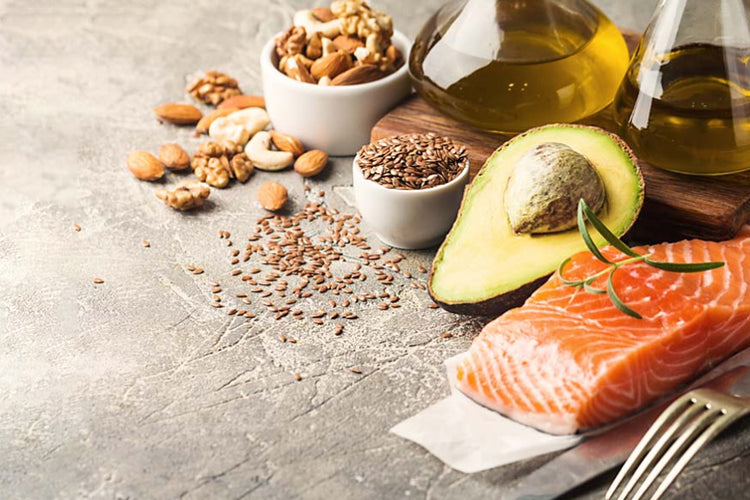
Just like good and bad cholesterol, fats are also classified as good and bad based on different kinds of fat. Food with mono-unsaturated and poly-unsaturated fats is good for the heart as they help increase high-density lipoproteins. For example, avocado, nuts, seeds, olives, salmon, sardines, vegetable oils, spreads, etc.
3. Oats and Barley
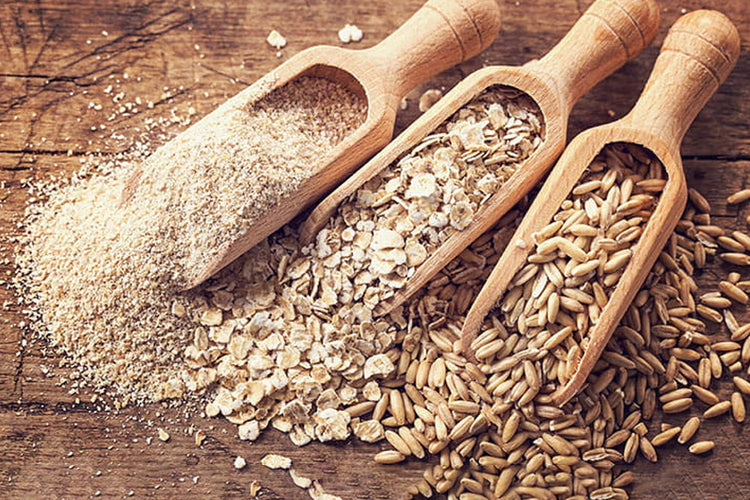
Instead of consuming processed food, add more whole-grain foods wherever possible. Whole-grain foods contain a good amount of soluble fiber called beta-glucan, which helps lower bad cholesterol levels. For example, Oats, barley, brown rice, whole wheat bread, etc., are the best whole-grain foods that you can easily add to your diet to lower the low-density lipoproteins in your body.

Finally! Gain The Most Muscle Mass And Strength Possible in Just 12 Weeks!
Get Our FREE GUIDE That Includes a 12-Week Muscle-Building Workout Program, Hidden Strategies and Meal Plans Including Shopping List & Recipes.
Your privacyis important to us
4. Fruits and Vegetables
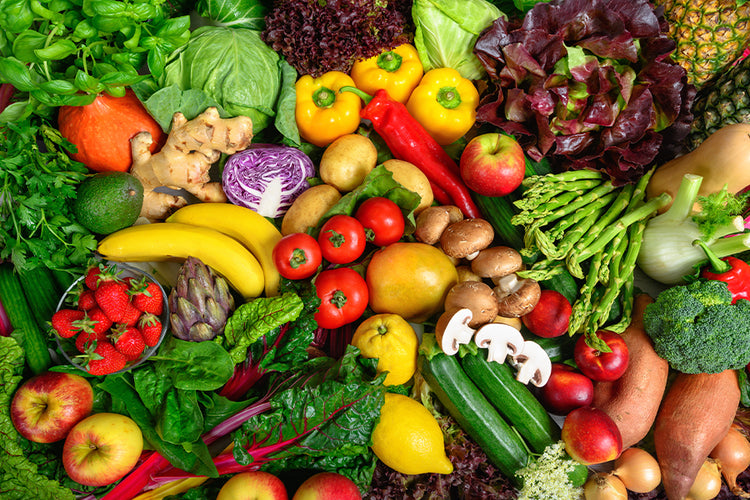
Colorful fruits and vegetables contain substantial amounts of soluble fiber in their skin, which helps protect you against any cardiovascular diseases, lowering cholesterol consumption and reducing LDL levels. For example: consuming carrots and potatoes with their peels, adding orange and lemon peels in salads, etc.
5. Nuts
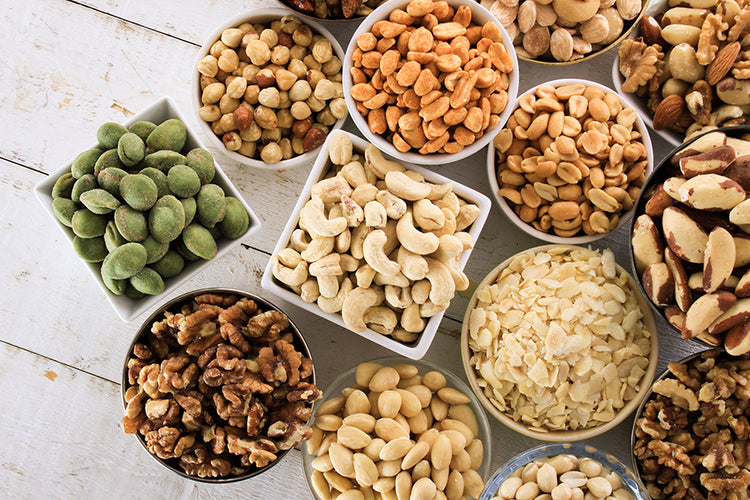
Unsalted and unroasted nuts that are close to their naturally ripe stage are the ones that contain fats and soluble fibers. Those nuts specifically found with skin are great for the heart as they're linked to lowering harmful cholesterol levels and triglycerides.
For example, pistachios, almonds, pecan nuts, cashews, hazelnuts, etc.
How to Meal Prep for the Week?
Now that you're well aware of all the things you need to incorporate in your everyday diets and how beneficial they are for you in lowering the harmful cholesterol levels, we've designed a complete 7-day meal plan.
This meal plan contains everything you need to consume throughout the day for an entire week. To make it even easier for you, we've written the calories, fats, proteins, etc. you'll be consuming throughout the day to know exactly what you're eating and how much you're eating.
Monday (Day 1)
Breakfast: (405 calories)
1 serving of Greek yogurt with blueberries, walnuts, and honey
Lunch: (532 calories)
2 hummus and vegetable sandwiches
Supper: (567 calories)
1 serving roasted salmon with 2 servings of green garlic beans
Total calories for the day: 1504 calories
Total Carbs: 58g
Total fat: 84g
Total protein: 78g
Tuesday (Day 2)
Breakfast: (392 calories)
2 servings of spinach, Swiss and egg white omelet with 2 slices of whole-wheat toast
Lunch: (534 calories)
1 serving of tuna stuffed pepper with 1 avocado
Supper: (570 calories)
2 servings of chicken and side veggies
Total calories for the day: 1496 calories
Total carbs: 126g
Total fat: 149g
Total proteins: 138g
Wednesday (Day 3)
Breakfast: (405 calories)
1 serving of Greek yogurt with blueberries, walnuts, and honey
Lunch: (467 calories)
1 serving of basic mixed green salad with peanut butter and celery (4 stalks of celery with 4 tablespoons of peanut butter)
Supper: (501 calories)
2 servings of vegetable stir fry
Total calories for the day: 1493 calories
Total carbs: 103g
Total fats: 84g
Total proteins: 96g
Thursday (Day 4)
Breakfast: (397 calories)
1 serving southwestern eggs with 2 slices of whole-wheat toast
Lunch: (518 calories)
1 simple Caprese sandwich with 1 ounce of almonds
Supper: (589 calories)
2 servings of vegetables and chicken salad
Total calories for the day: 1504 calories
Total carbs: 127g
Total fats: 75g
Total proteins: 88g
Friday (Day 5)
Breakfast: (430 calories)
2 servings of spinach and mushroom breakfast scramble with 1 cup of strawberries
Lunch: (404 calories)
1 serving of chicken and avocado salad
Supper: (679 calories)
2 kidney bean quesadillas tortillas
Total calories for the day: 1513 calories
Total carbs: 120g
Total fats: 62g
Total proteins: 127g
Saturday (Day 6)
Breakfast: (445 calories)
Gordon Ramsay's scrambled eggs
Lunch: (467 calories)
1 serving of basic mixed green salad with peanut butter and celery 4 stalks of celery with 4 tablespoons of peanut butter
Supper: (524 calories)
1 serving of tuna patties with 2 servings of green beans with olive oil
Total calories for the day: 1436 calories
Total carbs: 69g
Total fats: 95g
Total proteins: 87g
Sunday (Day 7)
Breakfast: (443 calories)
1 serving of peach yogurt parfait
Lunch: (426 calories)
2 tomatoes and hummus on rye sandwiches
Supper: (630 calories)
1 chicken wrap with 2 servings of steamed broccoli with olive oil and parmesan
Total calories for the day: 1499 calories
Total carbs: 168g
Total fats: 65g
Total proteins: 75g
Final Words
Adopting a low-cholesterol diet plan is a powerful tool for beginners to improve their heart health and overall well-being. Throughout this 7-day plan, we have explored a variety of nutritious and delicious meals that can help lower cholesterol levels.
By incorporating whole grains, fruits, vegetables, lean proteins, and healthy fats into your daily meals, you can reduce the intake of saturated and trans fats, which are significant contributors to high cholesterol. Additionally, these foods are rich in fiber, vitamins, and antioxidants, further promoting cardiovascular health.